Editing Luke Home

Category

Editing Techniques

24 articles

Get in the Room Before the Camera Does

Get in the Room Before the Camera Does

Most editors don't see the footage until the damage is already done. If you want to stop fighting bad material in the timeline, you need to start showing up before anyone hits record. Here's why getting a seat at the pre-production table is one of the smartest moves a freelance editor can make.

Win Them Over Before the Final Cut: How to Build Client Trust Inside the Edit Room

Win Them Over Before the Final Cut: How to Build Client Trust Inside the Edit Room

Skeptical clients don't become believers at the final delivery — they become believers long before that, if you do the work right. Here's how to use temp music, rough cut presentations, and smart comparisons to make your editorial decisions feel obvious instead of arguable. Turn doubt into buy-in before you ever export a finished file.

Show Less, Earn More: The Counter-Intuitive Portfolio Strategy That Lands Bigger Clients

Show Less, Earn More: The Counter-Intuitive Portfolio Strategy That Lands Bigger Clients

Stuffing your portfolio with every technically impressive piece you've ever cut might actually be costing you higher-paying work. The editors landing premium projects have figured out that strategic restraint speaks louder than a reel packed with flash. Here's how to think about what you show — and just as importantly, what you don't.

Cutting Words: How Far Should an Editor Go When Reshaping a Dialogue Scene?

Cutting Words: How Far Should an Editor Go When Reshaping a Dialogue Scene?

Dialogue scenes are where editors quietly become co-directors — and most of us don't even realize it's happening. The cuts you make, the reactions you hold, the pauses you protect or steal all add up to a performance the actor may never have intended. Knowing when that's your job and when it's overstepping is one of the most underrated skills in the whole craft.

Every Beat, Every Cut, Zero Feeling: The Montage Mistake Editors Keep Making

Every Beat, Every Cut, Zero Feeling: The Montage Mistake Editors Keep Making

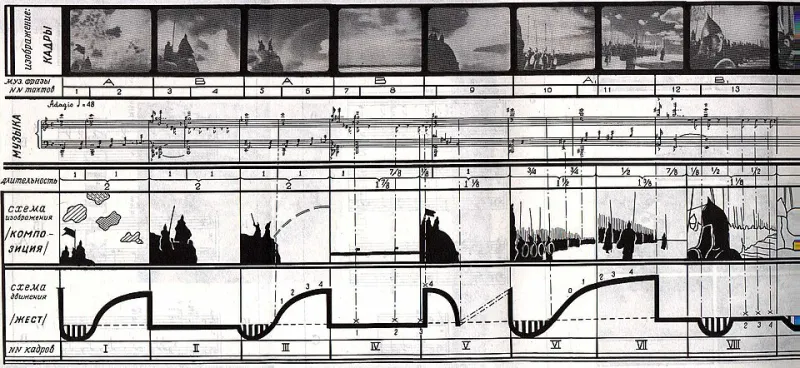
Cutting to every single beat feels satisfying in the moment, but it might be quietly draining all the emotion out of your edit. The most powerful montages in film history weren't built on rhythmic precision — they were built on restraint. Here's why holding a shot longer than the music wants you to is sometimes the bravest and smartest thing you can do.

Your Rough Cut Is Already Telling You the Story — Are You Listening?

Your Rough Cut Is Already Telling You the Story — Are You Listening?

Most editors treat the rough cut like a throwaway draft, something to bulldoze through on the way to the real work. But your first instinctive pass through the footage might be the most honest editorial conversation you'll ever have — and ignoring it is costing you better stories.

Reaction Shots Run the Show: How Smart Editors Became the Real Storytellers on Set

Reaction Shots Run the Show: How Smart Editors Became the Real Storytellers on Set

The reaction shot is one of the most underestimated tools in an editor's arsenal — and the editors who truly understand it aren't just cutting footage, they're rewriting the emotional script. This piece breaks down the psychology, strategy, and storytelling power behind knowing when to show a face, when to hold it, and when to cut away entirely.

The Art of Disappearing: How Great Editors Make Themselves Invisible

The Art of Disappearing: How Great Editors Make Themselves Invisible

The highest compliment an editor can receive is when nobody notices the edit at all. Invisible cutting is less about tricks and more about understanding how the human brain processes story—and then getting completely out of the way. Here's what that actually looks like in practice.

Short-Form Broke the Rules. Here's Which Ones Actually Needed Breaking.

Short-Form Broke the Rules. Here's Which Ones Actually Needed Breaking.

TikTok didn't just change what people watch — it rewired how editors think about pacing, rhythm, and the first three seconds of anything. Some of those changes are genuinely good. Some are making editors forget why the old rules existed in the first place. Let's sort out which is which.

Your Edit Sounds Broke: The Audio Problem Most Video Editors Refuse to Admit

Your Edit Sounds Broke: The Audio Problem Most Video Editors Refuse to Admit

Editors spend hours obsessing over color and cuts, then slap on a royalty-free track and call it done. But bad audio isn't just an aesthetic issue—it's actively killing your viewer retention and costing you work. It's time to talk about the sound design blind spot that's holding so many editors back.

Chop It Up: The Jump Cut Is Back and It's Not Playing Around

Chop It Up: The Jump Cut Is Back and It's Not Playing Around

Jump cuts used to be the thing editors apologized for. Now they're a deliberate power move showing up everywhere from TikTok feeds to prestige streaming shows. Here's why aggressive editing is dominating right now—and the honest truth about when it actually works.

The Slowdown: How Editors Who Pump the Brakes Are Winning the Attention War

Everyone's racing to cut faster, stack more transitions, and match the pace of a TikTok scroll — but the editors quietly racking up the best watch times are doing something completely different. They're slowing down. This piece makes the case for intentional pacing as a competitive advantage in 2024 and gives you real techniques to pull it off without losing your audience.